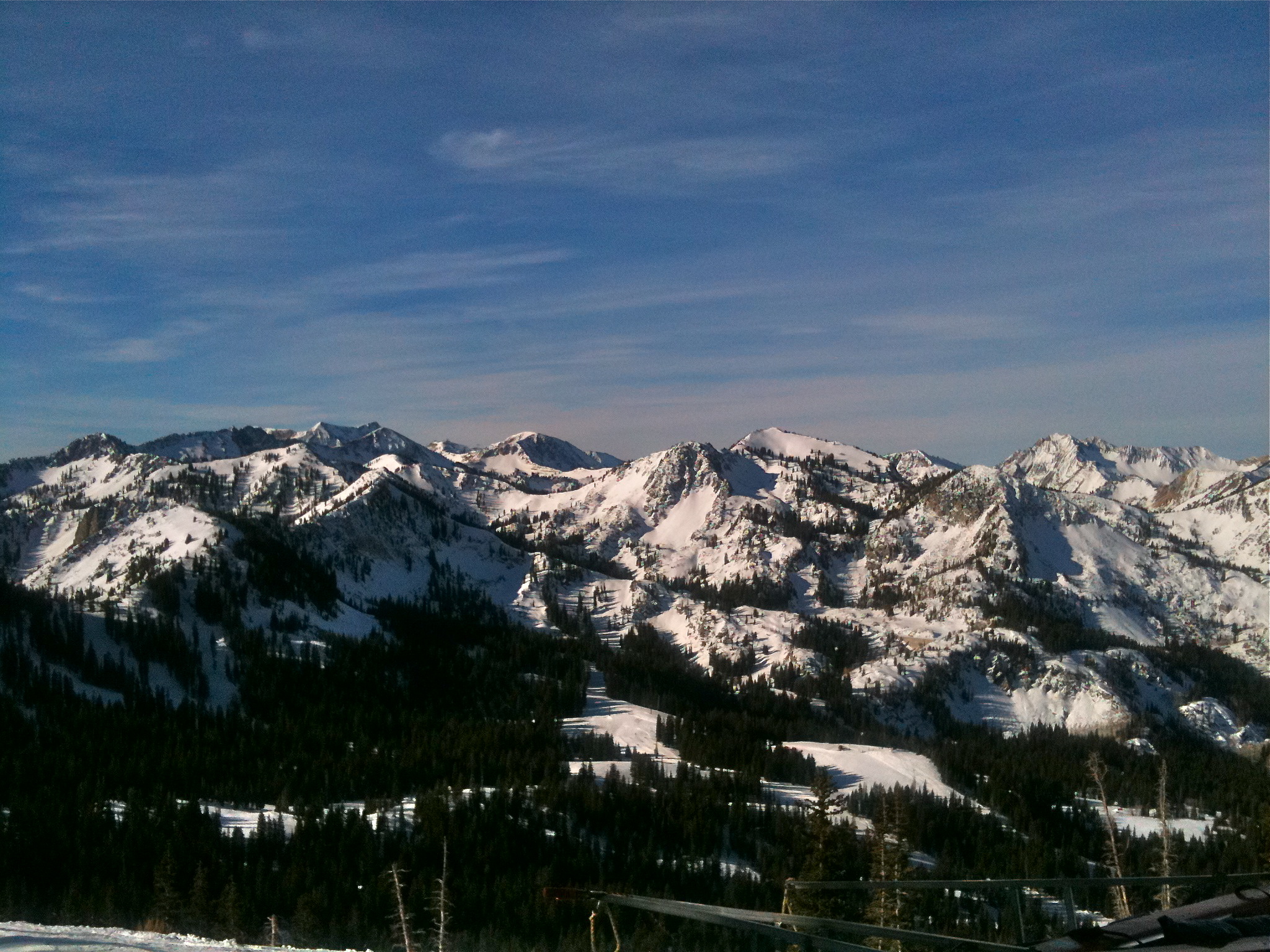
Skiers eyeing Brighton and Solitude this winter face an uncertain forecast: the strongest El Niño ever recorded is no guarantee of a big snow year in Big Cottonwood Canyon.
Northern Utah "is right in the bulls-eye of being very unpredictable," Jon Meyer, assistant state climatologist at the Utah Climate Center, told The Salt Lake Tribune. "When we look back at Utah's top winters, we've never had a great winter when the Pacific is in the current conditions we have right now."
The current El Niño is already the strongest on record and may not peak for months, the Tribune reported. The National Oceanic and Atmospheric Administration (NOAA) puts the chance of a very strong event during the fall and winter of 2026-27 at greater than 90%, according to Deseret News reporting in September. NOAA also projects a 97% chance El Niño persists through early spring 2027, according to an August Deseret News report.
Why northern Utah misses out
El Niño typically pushes the storm track south, delivering above-average snowfall to southern Utah, Arizona and New Mexico. The Wasatch Range, where Brighton and Solitude sit at the top of Big Cottonwood Canyon, has a different history.
OpenSnow weather forecaster Evan Thayer said in August Deseret News coverage that El Niño has always had a "bit of a messaging problem" in Utah because its reputation and track record don't match. Strong El Niño winters have historically delivered average to below-average snowpack to northern Utah, especially early in the season, the report said.
There is one notable exception. The Cottonwoods reportedly picked up 800 to 900 inches of snow during the 1982-83 El Niño, according to Thayer. That season was often cited as Utah's snowiest on record until 2022-23.
Meyer said he expects El Niño to bring "favorable storm activity" to the desert Southwest, bleeding into southern Utah. But for the Wasatch, the outlook is murkier.
A rough start after a rough year
Both Big Cottonwood Canyon resorts are coming off a punishing 2025-26 season. Ski resorts across Utah and Colorado struggled to keep slopes open, the Tribune reported. Much of Utah saw normal precipitation levels, Meyer said, but it fell as rain instead of snow.
Solitude postponed its opening three times last season before getting a few runs going, the Salt Lake Tribune reported Oct. 30. This year, Solitude has targeted Nov. 20 as its opening date, conditions permitting. A Solitude spokesperson told the Tribune, "If conditions allow, we will open earlier."
Brighton has not announced an opening date. Brighton Resort said on X on Nov. 3 that its snow guns were "working their hardest" to prepare the mountain for the season.
Higher elevations tend to get the bulk of snow in a super El Niño year, but the pattern also runs warm, the Tribune reported. That means lower-elevation resort bases and valley floors may see rain instead of snow.
What comes next
OpenSnow meteorologist Sam Collentine wrote in September Deseret News coverage that El Niño's effects show a mixed picture for the western United States, with the strongest signal pointing to average or above-average snowfall in the Southwest. The pattern does not hold every time, Collentine noted.
Meyer said the region needs snowpack badly. Utah's Great Salt Lake hovers just inches above the record-low elevation set in 2022, the Tribune reported, and its exposed lakebed has become a dust source affecting roughly 2.5 million residents.
Thayer's August assessment noted the pattern historically picks up from January through spring, even when November and December load slowly.
Upcoming for canyon-area residents: UDOT hosts a Wasatch Boulevard town hall Nov. 18 in Cottonwood Heights. Solitude's tentative opening is Nov. 20.