Utah wildlife officials have euthanized 70 black bears as of Sept. 25, nearly triple the 24 killed in all of 2025.
The Utah Division of Wildlife Resources (DWR) has responded to 317 bear incidents statewide through Sept. 25, DWR's Darby Doyle told ABC4. That is nearly four times the 83 incidents recorded in all of 2025. As recently as late August, the count stood at 168 incidents and 39 bears euthanized.
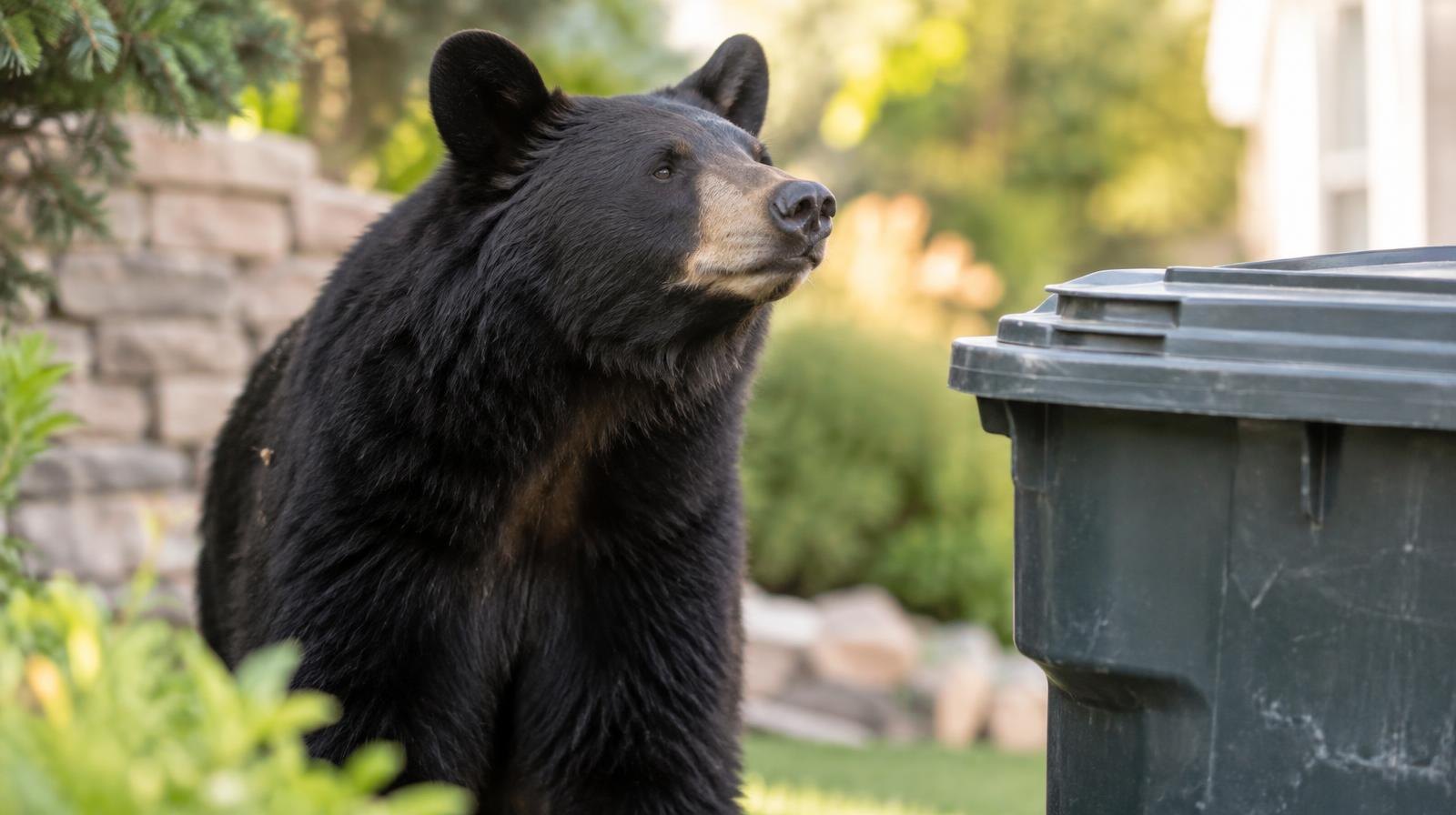
A bear was photographed in Big Cottonwood Canyon in August, and DWR Game Mammals Coordinator Chad Wilson told the Deseret News on Aug. 27 the extreme conditions have produced "the highest number of bears in cities that we've ever had in Utah." For Cottonwood Heights and Holladay residents who live along the canyon, the activity window extends at least another month before bears begin denning.
Why the surge
A warm spring followed by several hard freezes, then extreme heat and ongoing drought, destroyed the berry and hard mast crops that make up roughly 90% of a black bear's diet, according to DWR. The agency called 2026 its most difficult year for bear habitat, citing near-total failure of those food sources.
Utah's wildfire season compounded the problem. More than 500,000 acres burned statewide in 2026, the worst fire year since 2007, according to Utah State University Extension assistant professor J. Bradley Washa, as reported by ABC4.
Relocation often fails
DWR said relocation often fails because starving bears migrate back toward populated areas. The agency said moving a bear under current conditions amounts to relocating a desperate, starving animal to places without food.
Under DWR policy, a bear is euthanized any time it injures a person. Bears may also be killed if they act aggressively, show little fear of people, repeatedly return to populated areas, or cause significant property damage.
Utah has no certified wildlife rehabilitation facility for bears or other large predators, DWR spokesperson Faith Jolley told the Salt Lake Tribune in August.
In an Aug. 27 ABC4 report, Wilson urged residents to keep campsites clean: "Having to euthanize an animal because someone didn't do something as simple as keeping their campsite clean and storing food in a secure area is tough. Please don't put us in that situation."
What canyon-area residents should do
DWR recommends residents in foothills and canyon areas secure or remove bird feeders, fallen fruit, compost piles, pet food, outdoor garbage cans and barbecue grills. Unsupervised pets should be brought inside at night.
Most of Utah's bears live at elevations between 7,000 and 10,000 feet but will travel long distances when food runs short, according to Wild Aware Utah. Bear spray is 92% effective at deterring attacks.
If you encounter a black bear, DWR advises: stand your ground, do not run or climb a tree. Black bears can sprint up to 35 mph. If attacked, fight back.
Bears in foothills or canyon areas should be reported only if they are aggressive or getting into trash or causing damage. Bears spotted within city limits should be reported to DWR or, after hours, to local dispatch.
Female bears begin denning in late October and males in mid-November, according to Wild Aware Utah.