Canyons School District is rolling out individualized reading plans and new parent resources to comply with Utah's $16 million literacy law, SB241. But a Utah elementary teacher says the law misses a fundamental problem: too many kids aren't in class to learn to read.
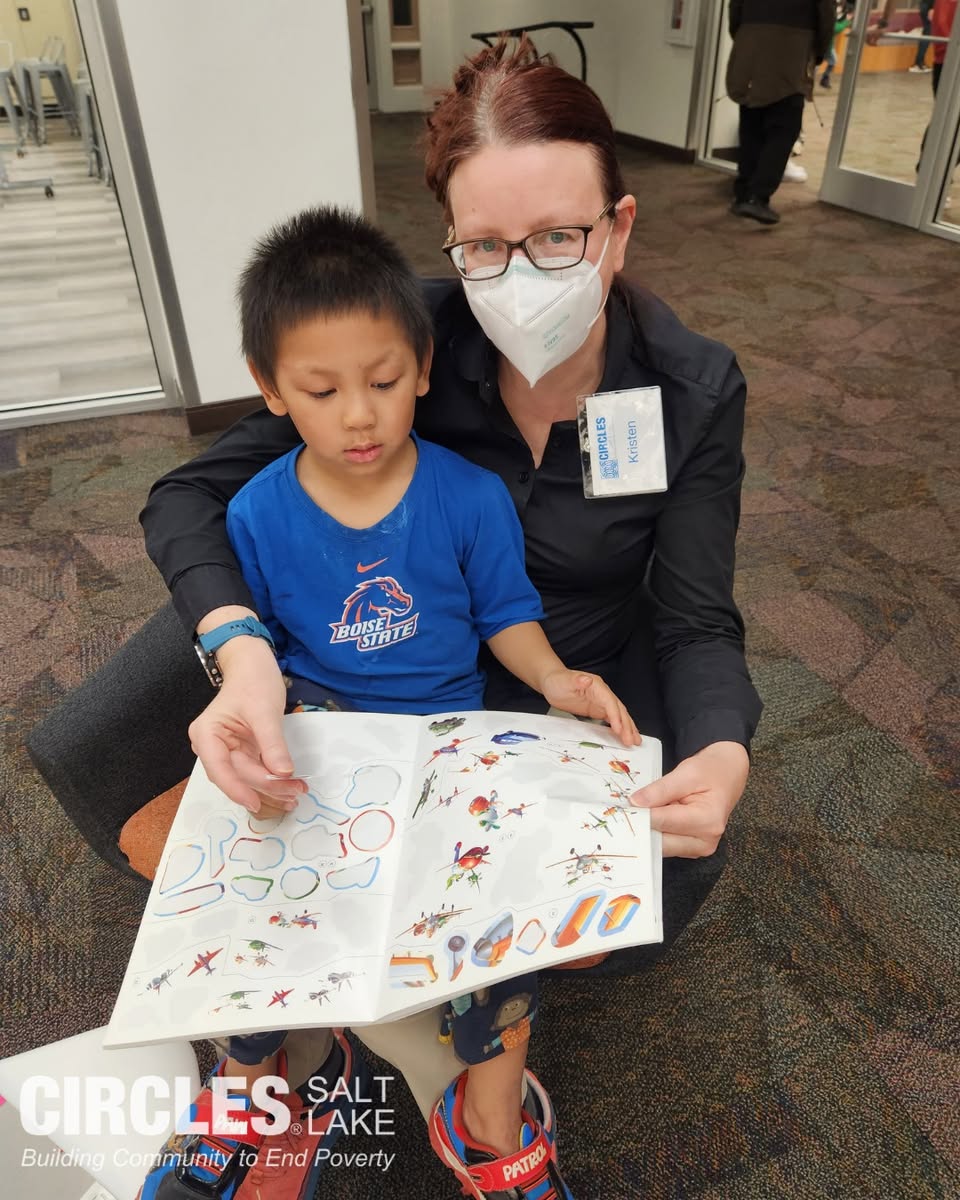
Kristen Pearson, who holds a master's degree in teaching and learning from the University of Utah, wrote in a Salt Lake Tribune op-ed published Monday, Sept. 21, that SB241 ignores chronic absenteeism even as classroom attendance has deteriorated sharply.
In her second-grade class during the 2025-26 school year, Pearson wrote, more than 20% of students were chronically absent. Fewer than 25% missed less than 10 days. Earlier in her career, she wrote, fewer than 25% of students would miss 10 to 15 days total, and only occasionally would a student exceed 17 absences. She defines chronic absenteeism as missing more than 17 days, or 10% of a school year.
The attendance shift matters for local families. Pearson wrote that students who missed 10 to 15 days in kindergarten through second grade were struggling in reading and math by third grade, even when their attendance improved.
Assessment tool draws scrutiny
Pearson also challenged the test being used to measure reading under SB241. She wrote that DIBELS was developed as a screener, not a summative assessment, but that teachers returning for the 2026-27 school year were told Acadience Reading, the current version of DIBELS, will be the assessment used to comply with SB241 under Utah administrative rule R277-406.
"DIBELS was developed to be used as a screener, not a summative assessment … but as teachers have returned to school this year, we have been informed that Acadience Reading will be the assessment used to comply with SB241," Pearson wrote.
After returning to teach third grade following years in upper elementary, Pearson wrote that she saw reading comprehension and writing decline even as decoding and fluency improved. She suspects the shift is tied to the weight placed on DIBELS-style assessments.
Pearson cited researcher John Hattie's meta-analyses, which found grade retention has a negative effect size of -0.32, meaning it decreases academic performance. SB241 requires third graders not proficient in reading to be retained. By contrast, Hattie's research found collective teacher efficacy has the highest effect size of any factor studied, at +1.57. An effect size of +0.4 is considered equivalent to a year's growth.
Pearson acknowledged positive elements in SB241, including teacher training in the science of reading, funding for literacy coaches and funding to hire literacy paraprofessionals.
Statewide scores and a nine-year plateau
The op-ed lands amid sobering statewide data. The 2025-26 assessments found 70.6% of K-3 students scored at or above benchmark on end-of-year tests, according to the Deseret News. But less than half of students in grades 3-8, just 45.3%, were ELA proficient.
A June 2026 Utah Legislative audit found no sustained statewide improvement in the share of students meeting the reading benchmark in at least nine years. First grade had the fewest students meeting grade-level reading requirements, the audit found. The Legislature has set a goal of 80% of third graders reading at proficiency by 2030.
Local districts move forward
Canyons board minutes from Sept. 1 show the district's Instructional Supports Department created a "Read, Talk, Wonder and Solve" document distributed to parents at back-to-school night.
Granite School District Board member Julie Jackson, who represents Holladay and Millcreek in Precinct 1, said in a May 28 Holladay Journal interview that additional funding would go toward literacy initiatives across K-12. Granite's stated goals include increasing English and math literacy by 1%.
Neither district has publicly addressed how it plans to tackle chronic absenteeism alongside SB241's reading requirements. Utah did pass a separate law in March 2026, SB58, creating a student attendance monitoring system. Under that law, parents of students in grades 1-6 receive a notice after five truancies, and failure to meet with school officials could result in a class B misdemeanor, according to Stateline.
Nationally, about 23% of students were chronically absent during the 2024-25 school year, well above the pre-pandemic rate of about 15%, according to American Enterprise Institute data cited by Reason Foundation. No state has returned to pre-pandemic levels.
Canyons schools are scheduled to participate in a statewide Read-A-Thon on Friday, Oct. 2.