Utah ranks 49th in the nation for nurses per 1,000 residents, and the pipeline of new graduates is shrinking. A combination of state policy and private investment is aimed at reversing that trend, with a new nursing school opening just minutes from the Cottonwood Heights and Holladay area.
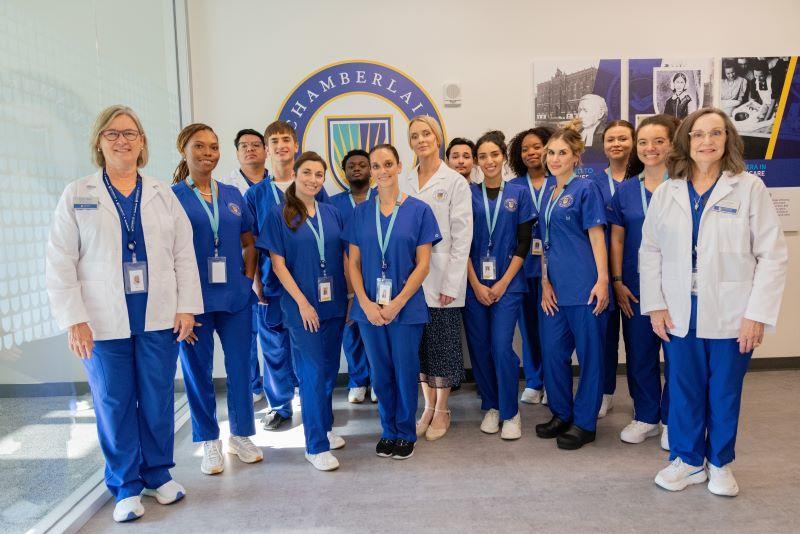
Chamberlain University is welcoming its first cohort of students this month at 9490 South 300 West in Sandy, about a mile north of the Shops at South Town. The campus is the for-profit school's 26th nationally and its first in Utah, offering a CCNE-accredited, three-year Bachelor of Science in Nursing program with no prerequisite courses required.
The opening arrives as Utah lawmakers reshape how public universities spend state dollars on workforce programs.
A legislative push behind the numbers
H.B. 265, passed during the 2025 legislative session, requires public colleges and universities to submit three-year plans evaluating academic programs, trimming administrative costs and reallocating funding toward high-demand fields including nursing, engineering and mental health. The law does not appropriate new money. It redirects existing funds.
In December 2025, the Executive Appropriations Committee moved $60 million (roughly 10% of each public institution's instructional budget) into a strategic reinvestment fund, according to the Utah House. Institutions must submit data-backed reinvestment plans to reclaim their share.
"We are not cutting the higher education budget," Utah Commissioner of Higher Education Geoffrey Landward said. "What the state has asked us to do is to look at how we're deploying the resources that the state is giving us and to make sure that we're directing those resources to areas that give the state and the students the best return on that investment."
The approach has precedent. In 2020, the Legislature put $1 million into expanding social work programs at the University of Utah and Utah State University. By 2023, the number of licensed social workers graduating from those programs had more than doubled.
Why nursing, why now
Marla De Jong, dean of the University of Utah College of Nursing, told the Deseret News in March that the state is "not having a major shortage at the moment" but noted severe pockets of need in rural communities, long-term care facilities and hospice settings. The number of new RN graduates has declined, tightening the pipeline, and by 2060 more than 20% of Utah residents will be 65 or older, up from 12% in 2020.
De Jong said in March that the state must start educating nurses ahead of that demographic wave or risk falling back into a deficit.
Meanwhile, the University of Utah College of Nursing raised its minimum GPA requirement to 3.75 and extended its program from four semesters to six ahead of the fall 2026 semester, leaving some pre-nursing students uncertain.
What Chamberlain brings
Chamberlain's three-year BSN program requires no prerequisite courses, and the university says more than 90% of its students receive some type of financial aid, according to its website. The institution is the nation's largest nursing school by BSN enrollment, serving approximately 40,000 students across its campuses. The Carnegie Foundation has recognized it as an Opportunity College and University for expanding access and delivering strong economic outcomes for graduates.
Chamberlain is owned by Covista. The company's Care Capacity Monitor, a survey fielded by Gallup, reports roughly 8.4 million open healthcare jobs nationally, with 73% of healthcare executives saying staffing shortages compromise care quality. Those are national figures from Chamberlain's parent company, not Utah-specific or independent data.
The Salt Lake Tribune reported in July that Chamberlain hopes to help address the state's nursing needs.
What's next
Registered nurses in the Salt Lake metro area earn a median salary of approximately $80,000, according to Lightcast first-quarter 2025 data. Prospective students can find enrollment information at chamberlain.edu/saltlakecity.