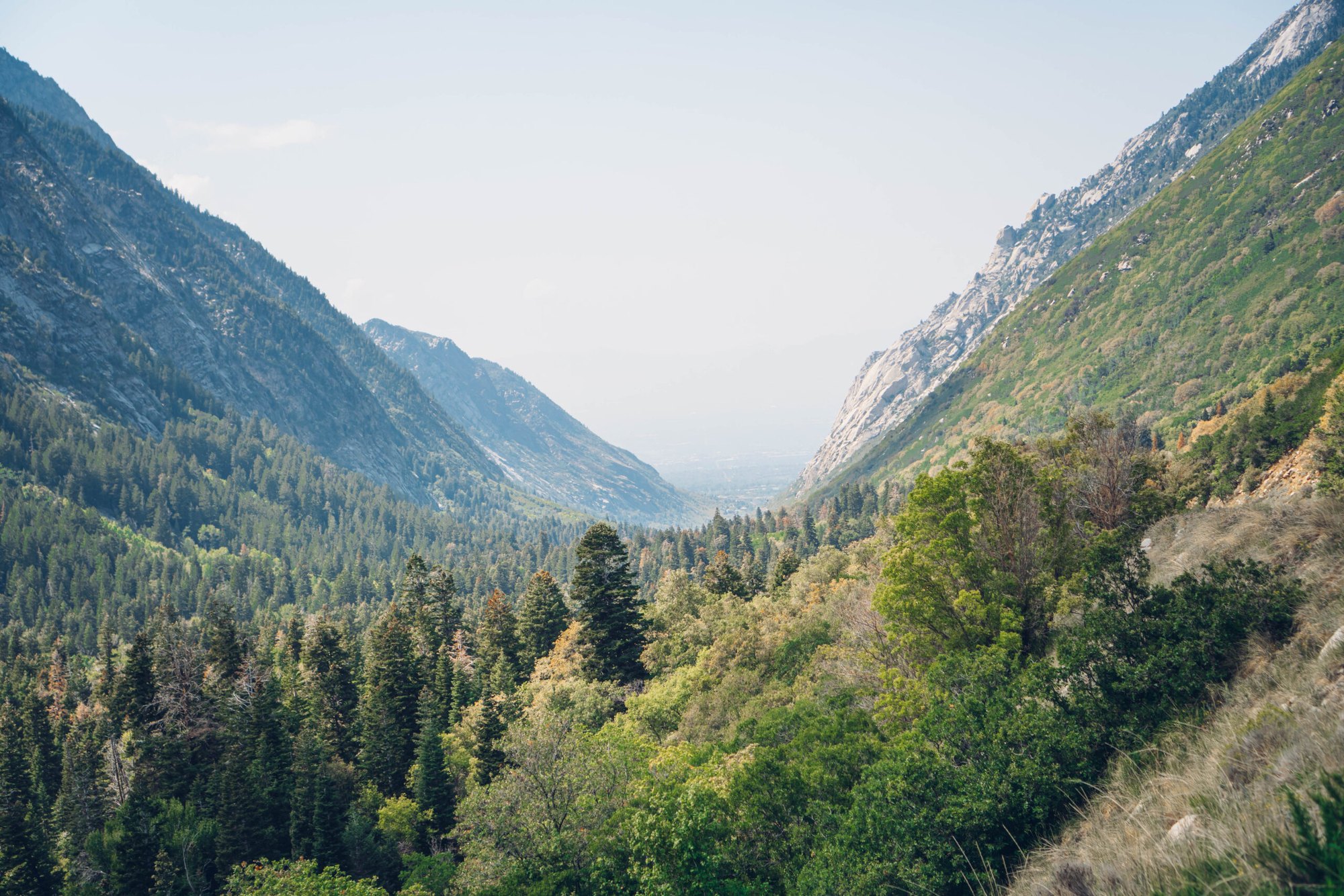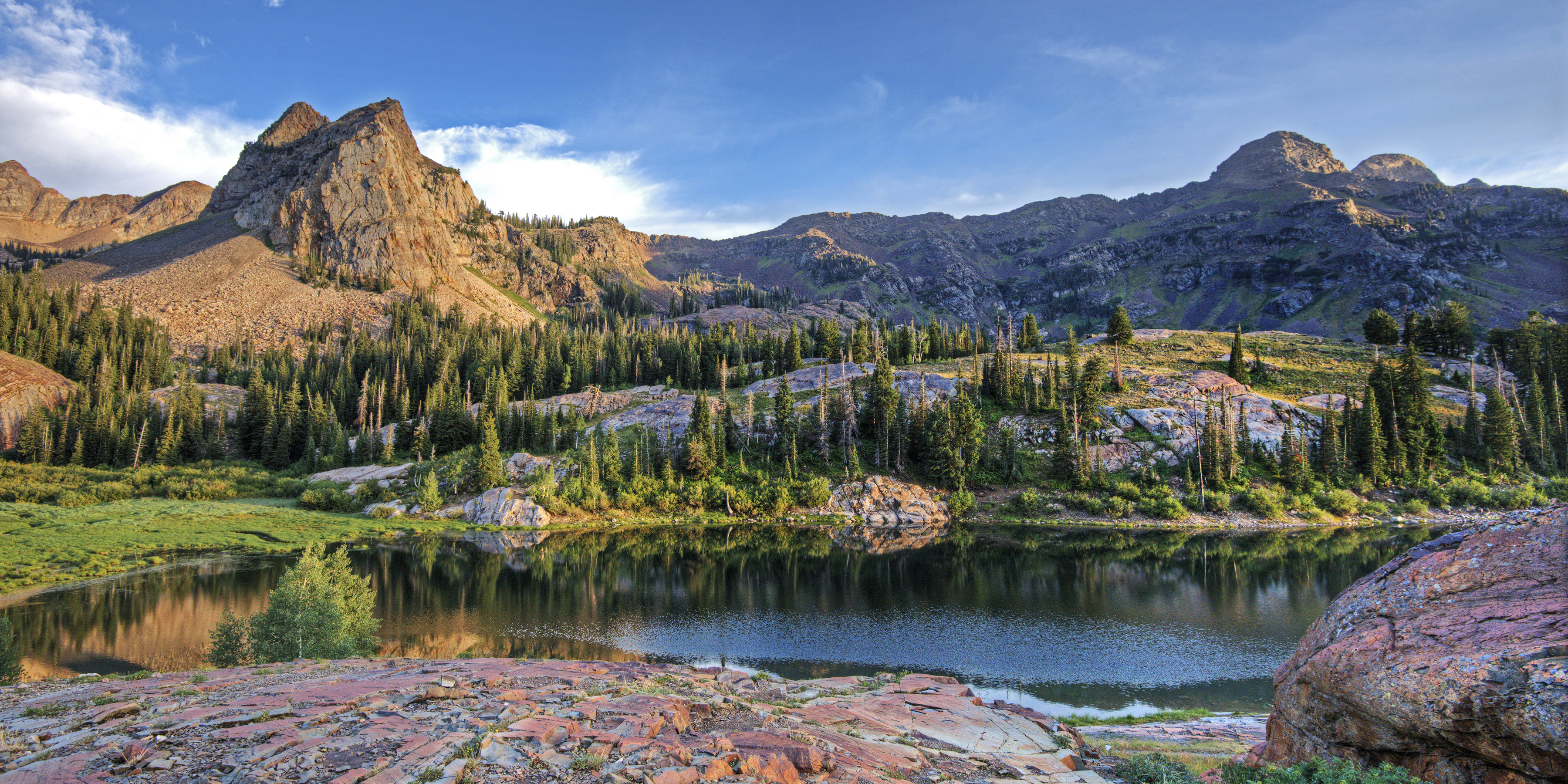
A black bear was spotted Saturday, Aug. 22, climbing a tree and eating leaves near the Lake Blanche Trailhead parking lot in Big Cottonwood Canyon, one of the most popular hiking access points for Cottonwood Heights residents heading into the Wasatch.
Greg Blackburn, a Salt Lake City resident who was driving down from a hike, told ABC4 he noticed a tree moving and another car stopped on the road. When he pulled over, he saw the bear just past the parking lot, climbing and feeding on leaves.
The trailhead sits about 4.4 miles up Big Cottonwood Canyon and serves as the starting point for the strenuous 7-mile round-trip hike to Lake Blanche in the Twin Peaks Wilderness Area. Dogs are prohibited on the trail.
Why bears are showing up more in summer 2026
The sighting fits a pattern wildlife officials say is driven by drought. The Utah Division of Wildlife Resources said it is dealing with more bear encounters statewide in 2026 than in previous years, attributing the increase to drought conditions that have reduced the berries and vegetation bears depend on.
Chad Wilson, a game mammals coordinator with DWR, told the Daily Herald on Aug. 18, discussing the broader statewide pattern, that last year's light winter, a late freeze that killed crops and ongoing drought have all contributed to the food scarcity.
"It's not a good year to be a bear," Wilson said. "This is for sure not a normal year."
USU Extension professor Nicki Frey told ABC4 that drought has left few berries available this time of year, forcing bears to roam farther in search of food. Frey also noted that drought and wildfires can push wildlife to lower elevations and closer to residential areas, according to a TownLift report.
Bear sightings were reported in Provo, Springville, Payson, Logan, Spanish Fork and Moab in the days before the Big Cottonwood Canyon encounter.
Bear safety for canyon hikers
DWR's safety guidance for anyone who encounters a black bear:
- Stand your ground. Never back up, lie down or play dead.
- Do not run or climb a tree. Black bears can run up to 35 mph and are excellent climbers.
- If a bear attacks, fight back with whatever is available.
- Carry bear spray.
Black bears are the only bear species in Utah and are commonly found in mountainous areas, foothills and canyons, including the Wasatch Range. No attacks on people had been reported statewide as of Aug. 18, according to Wilson.
It is unknown whether DWR responded to or investigated the Aug. 22 sighting specifically. Residents who encounter a wild animal that appears distressed or lingers in an area should call DWR at 801-538-4700. Full bear safety information is available at wildawareutah.org/wildlife/bears.