State Sen. Kathleen Riebe says Utah voters sent a message in June when they ousted Senate President J. Stuart Adams in a Republican primary.
Riebe, a Cottonwood Heights Democrat, said the streamlined approval of the Stratos data center campus was not an outlier, as first reported by the Deseret News. It was part of a broader pattern of Adams' GOP majority allocating tax dollars and approving developments against the wishes of local residents, she told the Deseret News.
Frustrated Utah voters are right to demand greater transparency and accountability in government processes that affect their quality of life, Riebe said.
She described a trend under Adams where the work of individual lawmakers was overridden by legislative leaders.
What happened to Adams
Adams, 72, lost his June primary after two-thirds of his Republican constituents voted to remove him, according to the Deseret News. He had served nearly three dozen years in public office and eight years as Senate president.
The defeat traced to backlash over a massive data center campus proposed for Box Elder County. In January, Adams and Gov. Spencer Cox met with investor Kevin O'Leary to discuss the project, billed as one of the largest in the world. The Military Installation Development Authority (MIDA), a statewide zoning entity Adams chaired, authorized an economic development area with significant property tax relief for the project.
Within months, the initiative became a political liability. By June, Adams was publicly asking O'Leary to shrink the project. Outrage over the lack of public input and potential environmental impacts dominated the race, according to the Deseret News.
Adams blamed the fallout on "untruths" and the fact that "the Senate president was running for reelection." He denied overplaying his hand, saying there is "genuine concern" about data centers but that it derives from incorrect assumptions about energy supply, water usage and MIDA's military purpose.
A statewide shift on data centers
Public opinion backs Riebe's argument. A Utah State University survey of nearly 900 residents found 86% do not believe data center costs outweigh their economic benefits. Nearly 76% oppose or strongly oppose building more data centers in Utah.
Eighty-five percent of respondents called it "very important" to have a public process for locals to participate in data center decisions. And 76% said they were dissatisfied with how state lawmakers handled data center development, according to the Salt Lake Tribune.
Darrell West, a senior fellow at the Brookings Institution Center for Technology Innovation, told the Deseret News that data centers have become a proxy for broader AI anxiety. That backlash also pushed out county commissioners in Box Elder and Millard counties and officials in Missouri and Georgia, West said.
Local control hits home
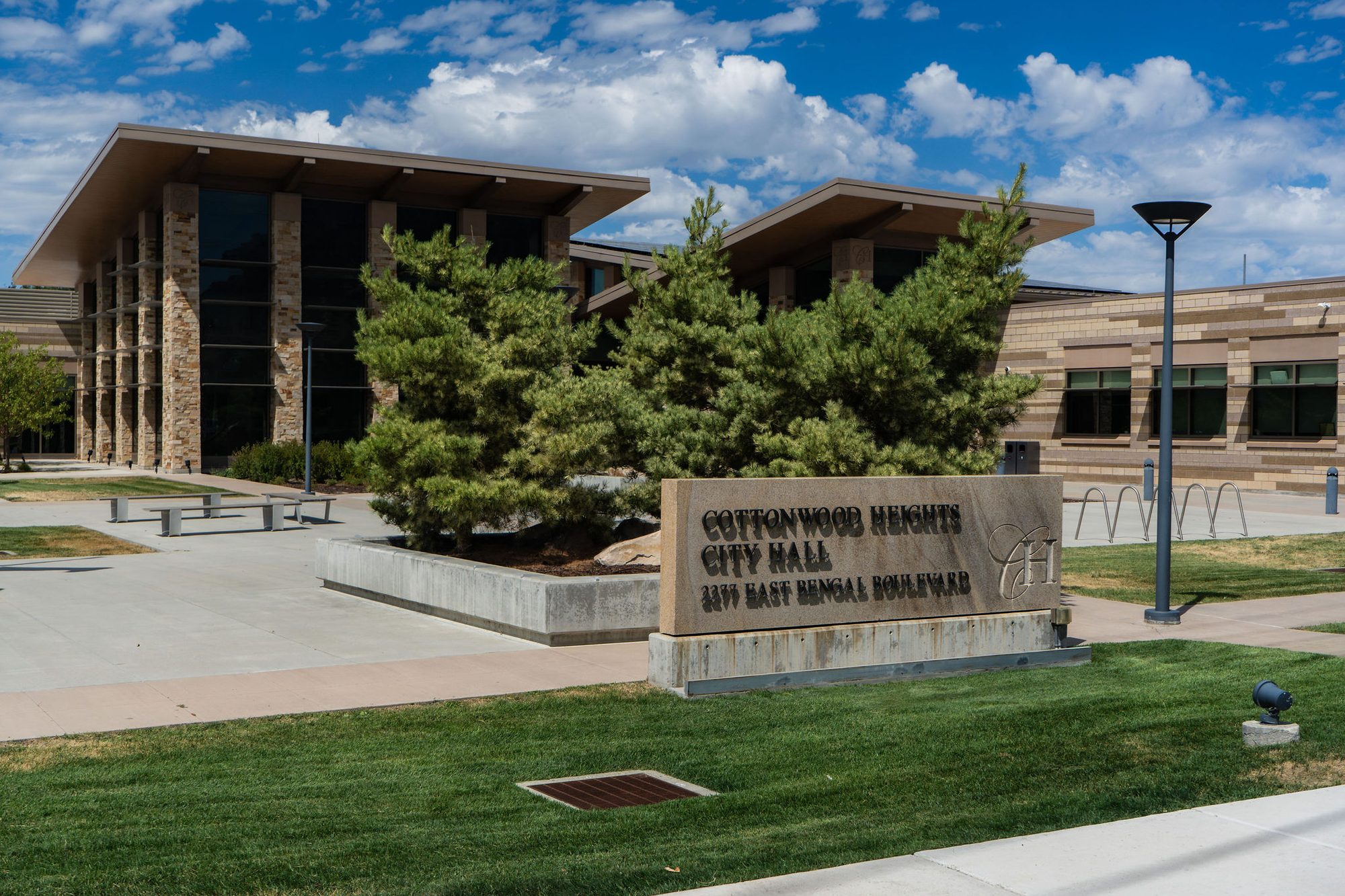
Cottonwood Heights officials have voiced similar frustrations about state overreach on local land-use decisions. At a January 2026 meeting previewing the legislative session, Community and Economic Development Director Jim Spung noted more than 300 bills had been filed on land use alone, according to the Cottonwood Heights Journal.
Councilmember Suzanne Hyland and Public Works Director Matthew Shipp raised concerns about difficult processes imposed by the Legislature. The council's priorities for the session included short-term rentals, affordability, transportation, Wasatch Boulevard and UDOT's proposed gondola for Little Cottonwood Canyon.
"I think we bear a huge burden for state tourism that isn't adequately acknowledged," Hyland said, according to the Cottonwood Heights Journal.
What comes next
Adams would not say what is next for him but hopes to "stay involved." State senators will vote on the next Senate president Friday, Nov. 6.