Rep. Mike Kennedy declined to answer a Salt Lake Tribune voter guide for Utah's 4th Congressional District. His three challengers used the questionnaire to stake out positions on the Iran war, water, ballot amendments and AI regulation ahead of the Nov. 3 election.
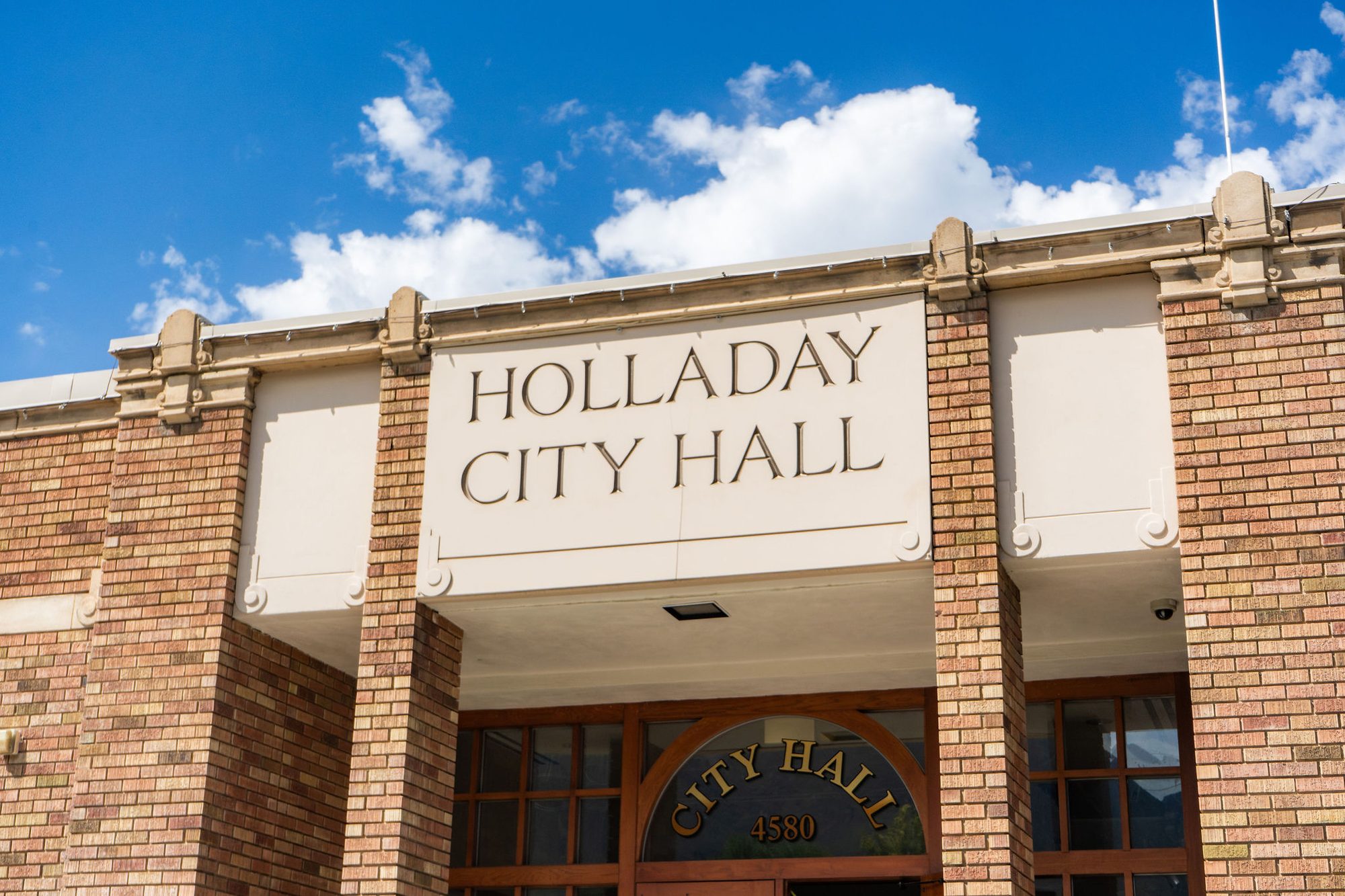
The redrawn 4th District includes Cottonwood Heights and Holladay. Kennedy, a Republican physician and attorney who won two-thirds of the vote in 2024 in the former 3rd District, faces Democrat Jonny Larsen, Libertarian Taylor Wright and unaffiliated candidate Steven Burt.
The Tribune's voter guide, published Monday, Oct. 12, listed "Did not answer" for Kennedy on all seven community-sourced questions. No explanation from Kennedy's campaign appeared in the guide. President Donald Trump endorsed Kennedy on June 18.
A September Lighthouse Research poll commissioned by the Utah Debate Commission showed Kennedy leading with 41.7% support among 4th District voters. Larsen trailed at 32.9%. Burt drew 5.7% and Wright 5.3%, according to Salt Lake Tribune reporting.
Iran war and affordability
The war in Iran dominated the guide's affordability section. Larsen, a Marine Corps combat veteran who served two tours in Iraq, claimed in his voter guide answers that the U.S. has spent more than $43 billion since the war began in February, averaging $3 billion per month. He said diesel now averages more than $6 per gallon in Utah.
At the Thursday, Oct. 8, debate at Snow College in Ephraim, the only televised debate in the race, Larsen challenged Kennedy directly. "The immediate thing that we can do right now is end this illegal war," Larsen said at the debate, as reported by the Deseret News. Kennedy has voted against multiple nonbinding House resolutions urging the White House to end the war.
Burt, an attorney and former solar energy executive, called the war the top driver of rising costs. Wright, an elementary school teacher, framed affordability as a government overreach problem.
Water and the Great Salt Lake
On water, Larsen cited a University of Utah report finding that toxic dust from the shrinking Great Salt Lake threatens more than 2 million people and creates up to $116 million a year in health costs. He said agriculture accounts for 80% of Utah's annual water use.
Wright argued Utah has an incentives problem rather than a water shortage, saying politically allocated, artificially priced water encourages waste.
Amendments A and B
The guide also asked candidates about two proposed constitutional amendments on the November ballot. Amendment A would replace newspaper publication of ballot text with two state websites. Burt opposed it and Larsen supported it. Wright declined to answer.
Amendment B would require 60% voter approval for citizen-proposed tax increases. Both Burt and Larsen opposed it. Wright supported it.
Kennedy answered neither.
Debate access and AI
Burt was excluded from the Thursday, Oct. 8, televised debate because his 5.7% poll showing fell below the Utah Debate Commission's 10% threshold. In an Oct. 9 statement reported by the Tribune, Burt said the commission should recognize that more Utahns are choosing not to affiliate with a political party.
On AI policy, Burt called for a comprehensive review of state-level AI work and said he would prioritize federal legislation focused on safety and protecting people.
Ballots must arrive at the county clerk's office by 8 p.m. on Tuesday, Nov. 3, if returned by mail. Drop boxes also close at 8 p.m.