Utah builders' impact fees don't drive up what buyers pay for a home, according to a state legislative audit that also found widespread compliance problems among local governments.
The audit, first reported by The Salt Lake Tribune, found no statistically significant relationship between impact fees and final home sale prices after analyzing 10,000 sales across 16 cities over three years. The analysis was conducted with the Kem C. Gardner Policy Institute.
"There's no statistical relationship between the impact fees and the final sales price of the home," Leah Blevins, an audit manager with the Office of the Legislative Auditor General, told lawmakers, according to the Tribune.
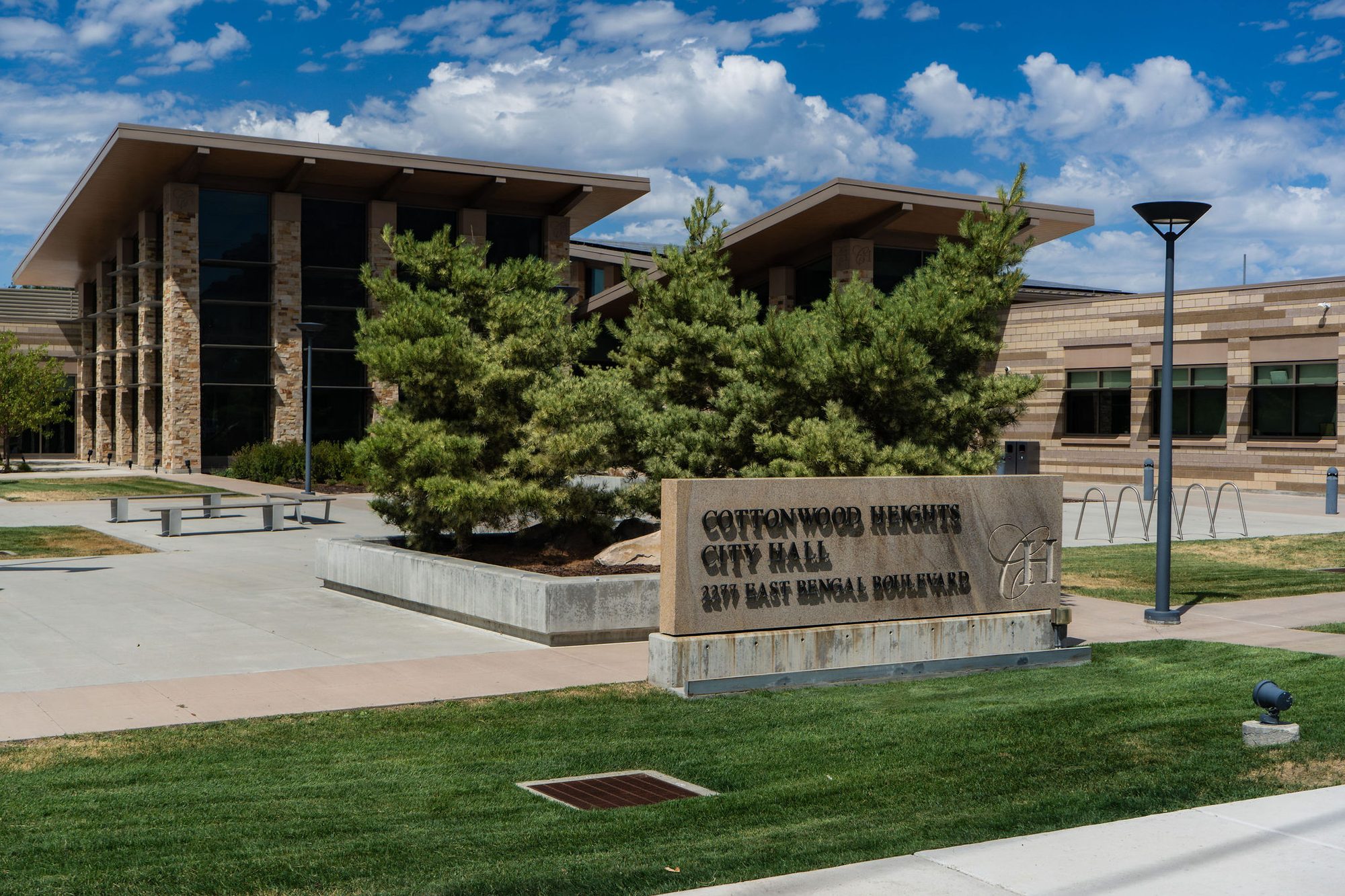
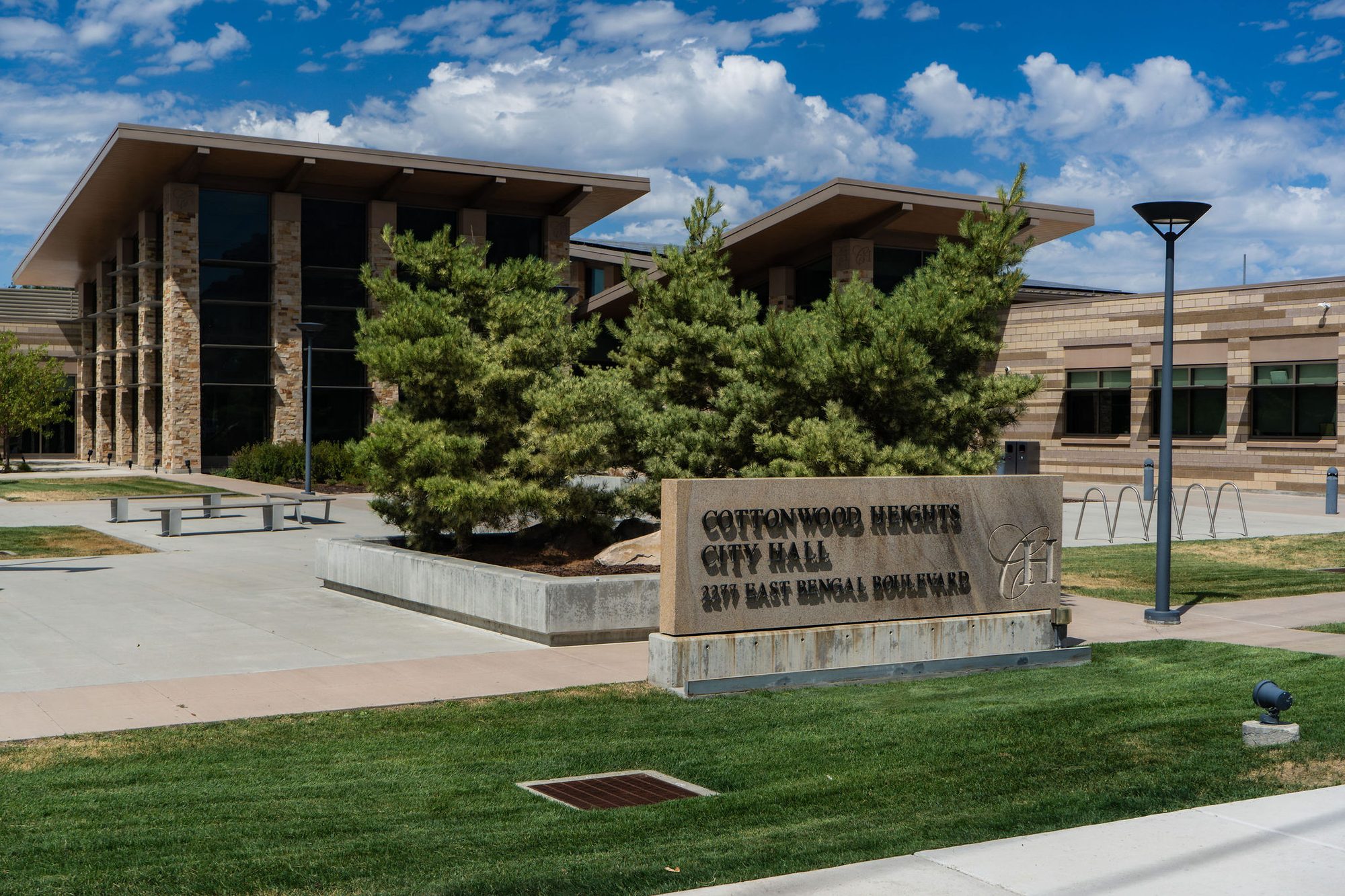
The finding matters locally. Cottonwood Heights does not charge impact fees but has discussed bringing them back. Holladay charges impact fees for police, parks and recreation, and stormwater, according to the city's consolidated fee schedule.
Compliance failures flagged
Auditors examined nine jurisdictions and found more than half had either spent impact fee money incorrectly or otherwise failed to comply with state law. The audit did not name which governments had problems.
Matthias Boone, a senior audit supervisor, said the fees are "very complex" and the state needs to provide more training and accountability, the Tribune reported. Auditors also reviewed 41 impact fee studies statewide and found more than half had not been updated within five years. They recommended updates roughly every three years.
The noncompliance could mean "costly litigation" for local governments, auditors wrote.
What it means for Cottonwood Heights
At a March 24 city council retreat, Cottonwood Heights officials discussed the limited role impact fees play in the city. Community and Economic Development Director Jim Spung said the Gravel Pit area is the only part of the city where impact fees may make sense, according to meeting minutes. The developer there pays full initial infrastructure costs, but impact fees would cover off-site improvements.
Council Member Ellen Birrell said impact fee revenues had "decreased dramatically since 2007." City Manager Jared Gerber explained that impact fees can only be charged on new growth and used for new infrastructure, and Cottonwood Heights has not seen much of either.
At a July 1, 2025, work session, the council discussed adding a strategy to waive or reduce impact fees for moderate-income housing. Then-Community and Economic Development Director Mike Johnson noted the city once charged transportation and stormwater impact fees on new development but stopped over time. Council Member Birrell said she wanted to explore reimposing fees to fund street and safety improvements.
Audit's broader recommendations
Auditors made five recommendations, including a "menu of options" for changing state impact fee law, a regular update cycle for fee studies, improved state oversight of annual reports, better public access to fee information and a requirement that local governments post fee plans on their websites.
House Speaker Mike Schultz, R-Hooper, said the current enforcement approach, which relies on civil lawsuits, deserves a closer look, the Tribune reported.
No public response from Cottonwood Heights or Holladay officials to the October audit findings appears in available records. The audit's finding that fees don't statistically raise home prices could reshape how both cities approach development debates in the months ahead.