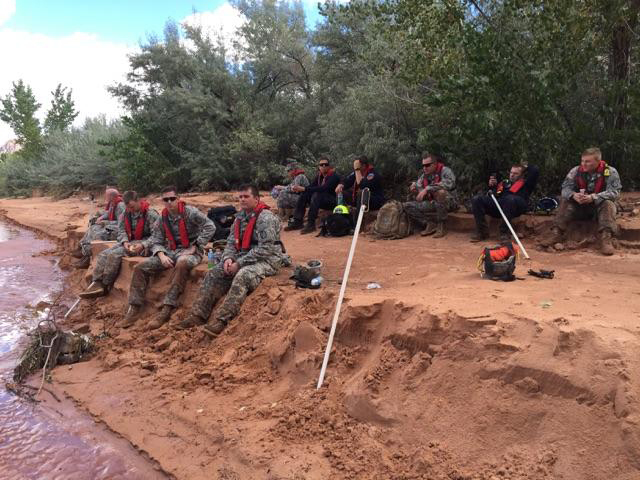
Much of Utah faces a risk of isolated flash flooding through Thursday, July 23, as monsoon moisture drives daily rounds of afternoon thunderstorms across the state, including the Salt Lake Valley.
The Weather Prediction Center's marginal risk designation means vulnerable areas could see flash flooding from heavy downpours, according to a Salt Lake Tribune report published Saturday, July 18. For residents of Cottonwood Heights and Holladay, who live at the mouth of Big Cottonwood Canyon and regularly recreate in canyon terrain, the advisory is a reason to check forecasts before heading out.
The burn-scar connection
The most acute danger is near burn scars left by this summer's wildfires in central and southwestern Utah. The National Weather Service in Salt Lake City issued a flood watch Friday, July 18, through Saturday evening specifically for those areas, including the Cottonwood Fire burn scar near Beaver. That is not Big Cottonwood Canyon, but the underlying science applies anywhere fire has stripped hillsides bare.
Angela Lang, bureau chief with the Utah Division of Emergency Management, told the Tribune that charred ground can repel water for up to five years after a wildfire. Without vegetation to slow runoff, even modest rain sends water rushing downhill.
NWS meteorologist Hayden Mahan explained the math in a July 14 FOX 13 report: "Now you're lowering those thresholds quite a bit more to where even a little bit of rain can really cause some problems for some of these burn scar areas."
The threat is not theoretical. Near Beaver, thunderstorms on Tuesday, July 14, sent minor flooding across roadways near the Cottonwood Fire burn scar, according to Jesse Bender, public information officer with Great Basin Team 4. By Friday, July 17, muddy floodwater had entered Beaver's pressurized irrigation system, forcing a temporary shutdown.
What canyon-area residents should do
Lang offered several steps in the Tribune's July 18 Q&A:
- Check flood insurance. Most homeowners and renters policies do not cover flood damage. Flood insurance is separate and typically carries a 30-day waiting period before coverage begins.
- Sign up for emergency alerts. Salt Lake County maintains a sign-up page at saltlakecounty.gov/emergency-services/alerts, with Cottonwood Heights listed among cities offering city-specific enrollment.
- Check the forecast before heading outdoors and keep checking throughout the day. A flash flood can arrive under clear skies if a storm miles away sends water your way.
- Have a plan and a backup plan. Know your route and where you can reach higher ground. Share that plan with family in case you lose cell service.
- Never drive through flooded roadways. Six inches of moving water can knock a person off their feet. One foot can carry away most vehicles.
Lang said residents should stay alert even on days without an active flood watch, given the number of burn scars across Utah and the active monsoon season.
The marginal risk for excessive rainfall runs through Thursday, July 23. Cottonwood Heights residents can sign up for local emergency alerts at saltlakecounty.gov/emergency-services/alerts.
.jpg)