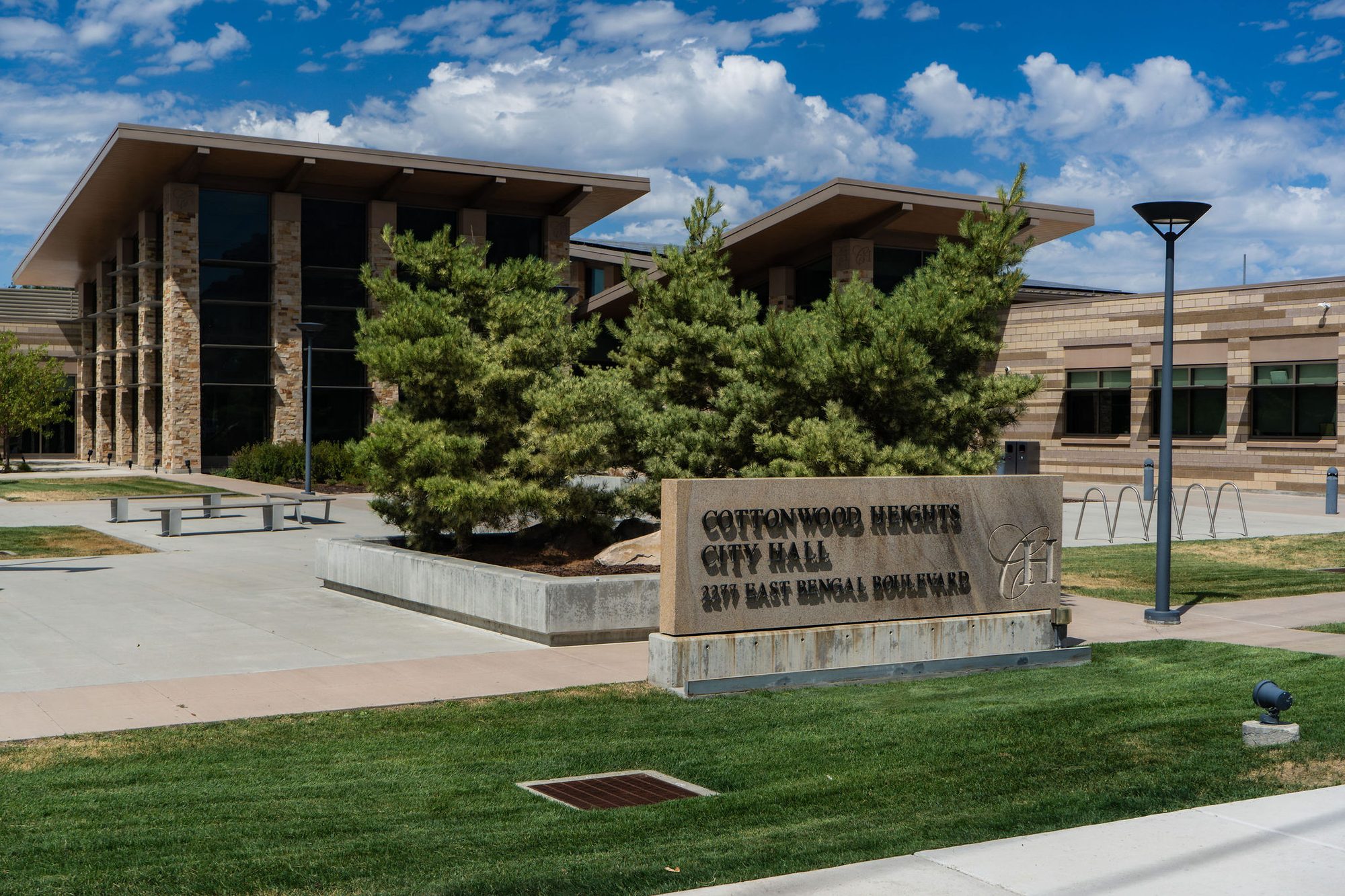
Cottonwood Heights and Holladay homeowners would pay about $5.85 more per month in county property taxes under a $660 million jail plan. Mayor Jenny Wilson presented the proposal to the Salt Lake County Council on Tuesday, Oct. 20, as first reported by Gephardt Daily.
The plan would close the aging Oxbow Jail, expand the Metro Jail by 804 beds and nearly triple the number of medical and mental health beds in the county's detention system. It also creates a diversion program to route eligible nonviolent offenders with mental health challenges into supervised treatment instead of jail.
"A jail cell cannot substitute for a functioning mental health system," Wilson said.
The county has already set aside $100 million for the project. Wilson is asking the council to approve a lease revenue bond of roughly $575 million, repaid over 25 years. A 13.53% property tax rate increase would generate about $39.5 million a year to cover the debt. For the average home, valued at about $658,000, that works out to $70.21 a year. Businesses would see a larger hit: $10.64 a month, or $127.65 a year.
The county receives about 17% of a resident's total property tax bill. The rest goes to school districts, cities and other local service providers.
What the money builds
The Metro Jail opened in 1999 and has not had a major expansion, even as the county's population grew by more than 300,000 residents. Under Wilson's plan, detention operations would consolidate at the Metro Jail site. Oxbow Jail, which holds 552 general-population beds, would be demolished.
Once Oxbow closes, system-wide capacity would rise from 2,623 to 2,875 beds, a net gain of 252. Medical and mental health beds would jump from 136 to 384. The project also includes a new intake and screening hub, a laundry facility and a secure vehicle sallyport.
Wilson proposed setting aside an additional $15 million for a future facility to serve people awaiting treatment placement.
Diversion and mental health
Under the proposed reforms, eligible nonviolent offenders with mental health challenges would be connected to supervised treatment. A dedicated case management team would report to Criminal Justice Services and the District Attorney's Office. Participants would follow treatment plans, appear in court and meet supervision requirements.
The plan draws on consulting work by retired Miami-Dade County Judge Steve Leifman, whose team helped identify gaps in coordination, services and funding, according to Wilson's budget proposal. The budget adds case managers, peer support specialists and resources for supportive housing.
The jail is nearly full. Sheriff Rosie Rivera told the county's Debt Review Committee on July 29 that the facility is at 90% capacity and that state law changes now require people to stay in jail longer. Chief Deputy Matt Dumont told the same committee that operating the expanded, medically focused facility would cost an estimated $34 million a year.
A second try after 2024 bond failure
The proposal follows a failed 2024 ballot measure. Voters rejected a $507 million public-safety bond, with roughly 52% opposed, the Holladay Journal reported in December 2025. After that defeat, the county approved a smaller 0.2% sales-tax increase to fund limited jail work.
Unlike the 2024 bond, which required voter approval, a lease revenue bond needs only council approval after a public hearing.
How to weigh in
The Salt Lake County Council will hold a public hearing on Dec. 8 at 6 p.m. and may change the final amount before voting. Residents can also comment at regular council meetings or email the council directly. Budget documents are posted at the county's budget page.
Property tax relief programs, including Circuit Breaker, Senior Deferral, Indigent Relief and Hardship Relief, are available through the Salt Lake County Treasurer.