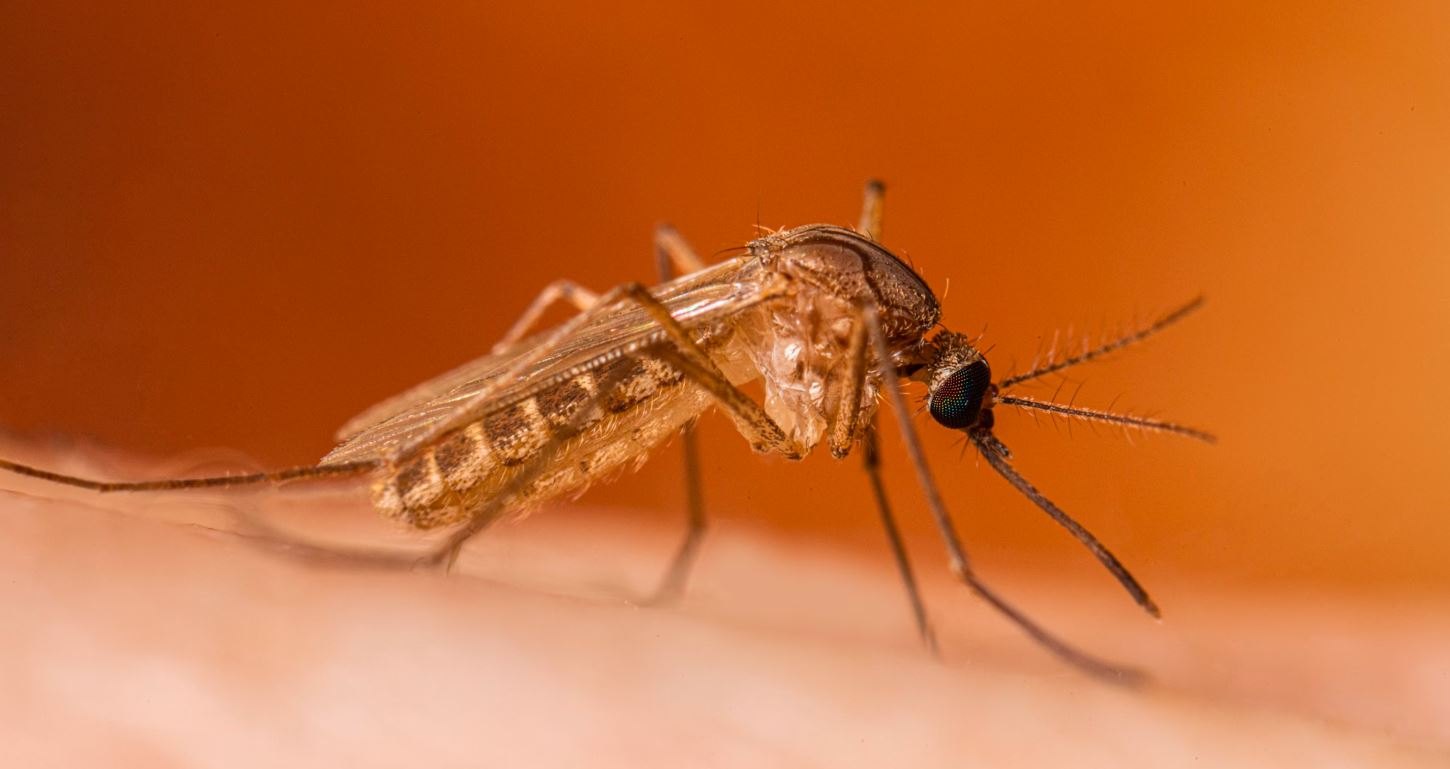
Salt Lake County's first human West Nile virus case of 2026 was confirmed Thursday, July 30, and health officials are urging Cottonwood Heights and Holladay residents to take immediate precautions as mosquito season intensifies.
The infected person, an adult who was not publicly identified, is expected to make a full recovery, the Salt Lake County Health Department announced. It is the second confirmed human case in Utah this year, following one reported in late June by the Bear River Health Department.
Detections far outpace recent years
Three mosquito abatement districts in Salt Lake County have detected West Nile virus in 86 mosquito samples countywide so far in 2026, according to KSL. Statewide, 296 samples have tested positive. At the same point in 2025, only 39 samples had tested positive across Utah; in 2024, just 18.
That sevenfold year-over-year increase matters locally. The South Salt Lake Valley Mosquito Abatement District, which serves both Cottonwood Heights and Holladay, is one of the three districts conducting that testing.
The health department warned in its July 30 announcement that because mosquitoes can travel several miles, everyone in the county should take precautions regardless of whether detections have been confirmed in their immediate neighborhood. The department also noted that actual infections are likely far more prevalent than reported case numbers suggest, since only 20 to 30 percent of infected people develop any symptoms at all.
Who is most at risk
People over 50 and those with weakened immune systems face the highest risk of serious illness, but anyone can be infected by a single bite.
Symptoms appear two to 14 days after a mosquito bite: fever, headache, and body aches. Less than 1 percent develop the neuroinvasive form of the disease, which can cause high fever, neck stiffness, disorientation, tremors, and in rare cases, death.
Last year's numbers underscore the danger. In 2025, 49 Utahns were confirmed to have contracted West Nile virus. Thirty-nine of those cases involved the neuroinvasive form, and four people died.
There is no vaccine or specific treatment. Anyone who suspects infection should contact their health care provider.
What residents can do now
The Utah Department of Health and Salt Lake County Health Department recommend these steps:
- Use EPA-registered repellent containing DEET, picaridin, IR3535, or oil of lemon eucalyptus.
- Wear long sleeves and pants after dusk, when mosquitoes are most active.
- Drain standing water in yards: old tires, potted plant trays, pet dishes, toys, and buckets.
- Keep roof gutters clear of debris that traps water.
- Stock garden ponds with mosquito-eating fish or mosquito dunks.
- Check door and window screens for holes or gaps.
- Cut weeds and tall grass short to eliminate shady resting spots for adult mosquitoes.
Mosquito season in Utah continues until the first hard freeze, meaning the risk window extends well into fall. Residents who need help treating a backyard pond can contact the South Salt Lake Valley Mosquito Abatement District at sslvmad.utah.gov.