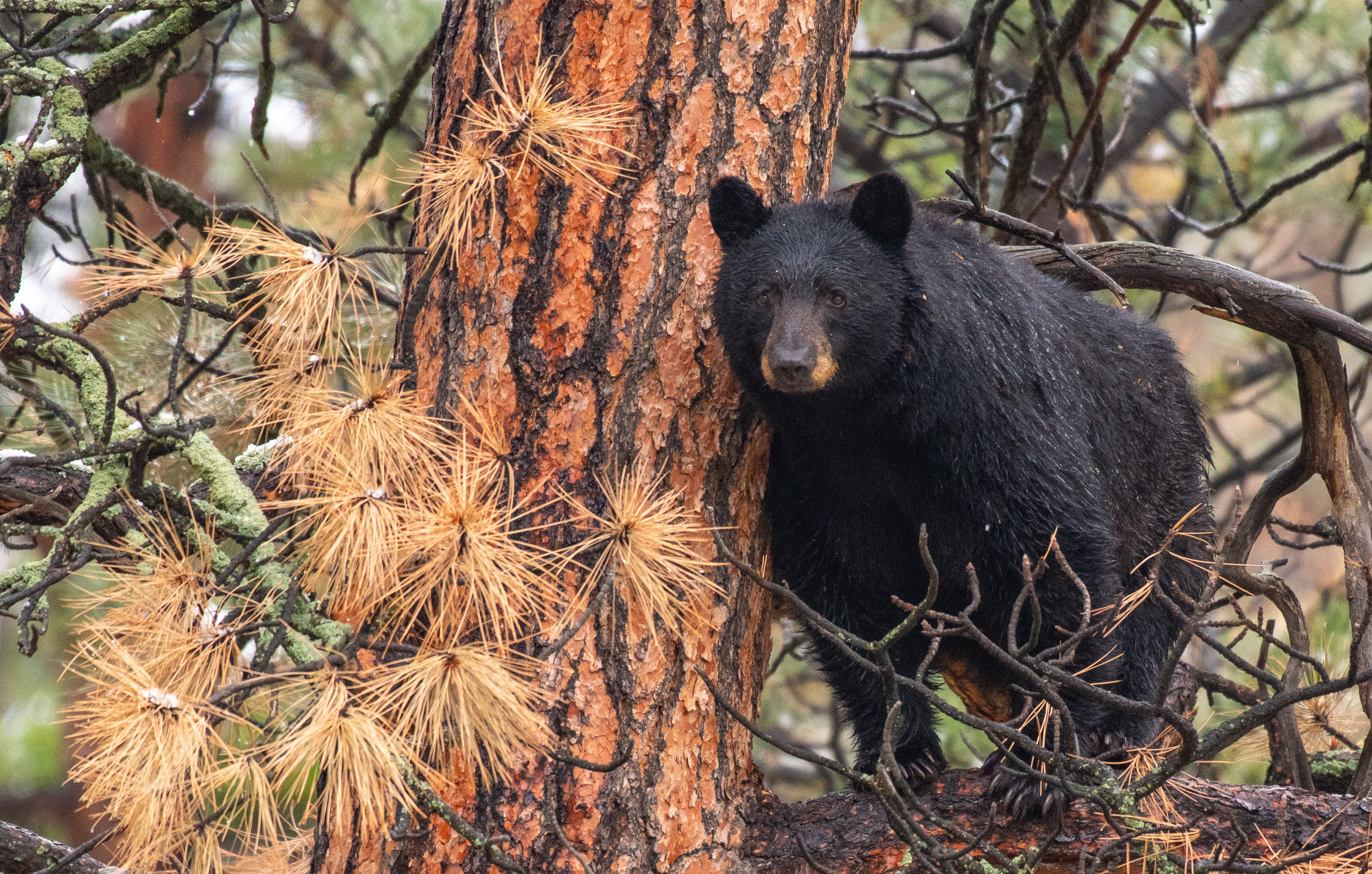
Utah wildlife officials have killed a record 39 black bears so far in 2026. Severe drought has destroyed the natural food sources that keep bears in the mountains, pushing them into neighborhoods near Big Cottonwood Canyon.
The Utah Division of Wildlife Resources (DWR) had responded to 168 bear incidents statewide as of Aug. 25, double the 83 calls logged in all of 2025, according to ABC4. Of those encounters, 39 bears were euthanized as of Aug. 26. That is 63% more than the 24 euthanized during all of 2025, the Salt Lake Tribune reported.
The number also exceeds the previous three years combined. DWR euthanized six bears in 2023, three in 2024 and 24 in 2025.
ABC4 photographed a bear in Big Cottonwood Canyon on Aug. 27. The canyon borders Cottonwood Heights and Holladay, where residents hike, camp and commute through the corridor daily.
Why bears are coming down
A warm spring followed by several hard freezes and then extreme heat and drought devastated berries, acorns and other vegetation that make up 90% of a black bear's diet, according to a DWR press release. With those food sources gone, hungry bears have moved to lower elevations and into neighborhoods.
"The extreme conditions have led to this year having the highest number of bears in cities that we've ever had in Utah," DWR game mammals coordinator Chad Wilson told the Deseret News on Aug. 27.
Why euthanasia, not relocation
Relocation does not always work. In May, DWR biologists captured a black bear in Park City and moved it to the Avintaquin Mountain area. By August, the same bear turned up in the Vivian Park community in Provo Canyon, nearly 75 miles away, according to the Salt Lake Tribune.
Utah has no certified wildlife rehabilitators equipped to house bears, and zoos have limited space, DWR spokesperson Faith Jolley said. DWR policy requires euthanizing any bear that attacks a person, acts aggressively, shows little fear of humans, repeatedly returns to populated areas, causes significant property damage or is in poor health.
"Having to euthanize an animal because someone didn't do something as simple as keeping their campsite clean and storing food in a secure area is tough. Please don't put us in that situation," Wilson said on Aug. 27 in an ABC4 report on the doubling of bear incidents.
What canyon-area residents should do
DWR recommends residents near foothills and canyons take these steps:
- Store garbage cans in a garage and put them out the morning of pickup, not the night before.
- Remove bird feeders, secure compost piles and pick up fallen fruit.
- Bring pet food and water bowls inside, especially at night.
- Clean barbecue grills after each use.
Campers should store food and scented products like deodorant and toothpaste in a car trunk or locked trailer, not in a tent or on a picnic table. Clean campsites thoroughly before leaving.
If you encounter a black bear, DWR advises: stand your ground, do not run or climb a tree. Black bears can sprint up to 35 mph. Fight back if attacked.
Report any bear in a populated area to DWR immediately at wildlife.utah.gov.